
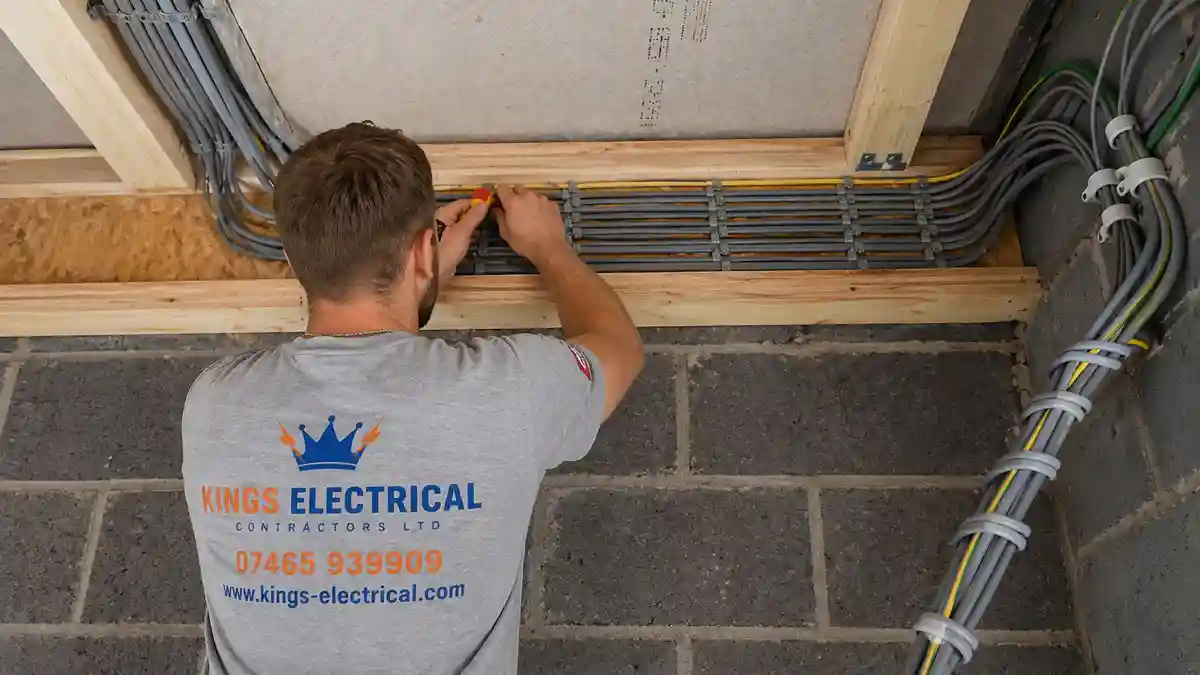
Full and Partial Rewiring Electrician Services
Whether you’re renovating a property, upgrading an outdated electrical system, or addressing ongoing electrical issues, a full or partial electrical rewiring is one of the most important improvements you can make to your home or business.
Electrical wiring naturally deteriorates over time, and older systems often struggle to meet the demands of modern appliances and technology. A rewire ensures your property is safe, compliant with current regulations, and capable of handling today’s electrical usage.
From complete property rewires to targeted upgrades in specific areas, professional electrician services provide tailored solutions designed to improve safety, efficiency, and reliability.
Benefits of Full and Partial Rewiring
Rewiring your property offers a wide range of benefits, both immediate and long-term:
Improved Safety
Old or damaged wiring can pose serious risks, including electrical fires and electric shocks. A rewire eliminates these hazards.
Compliance with Current Regulations
Modern rewiring ensures your property meets the latest UK wiring standards (BS 7671).
Increased Electrical Capacity
A rewire allows your system to handle modern appliances, EV chargers, and smart home technology.
Reduced Risk of Faults
New wiring reduces the likelihood of tripping circuits, power outages, and electrical faults.
Energy Efficiency Improvements
Updated wiring and systems can improve overall energy efficiency.
Enhanced Property Value
A recently rewired property is more attractive to buyers and tenants.
Types of Rewiring Services
Rewiring isn’t always a one-size-fits-all solution. Depending on your property and requirements, different approaches may be suitable:
Full Rewire
A full rewire involves replacing all electrical wiring, sockets, switches, and often the consumer unit throughout the entire property.
This is typically recommended for:
- Older properties (25+ years)
- Properties with outdated or unsafe wiring
- Major renovations or refurbishments
- Properties being brought up to modern standards
Partial Rewire
A partial rewire focuses on specific areas of the property rather than the entire system.
This may include:
- Kitchens or bathrooms
- Extensions or loft conversions
- Replacing damaged or outdated circuits
- Upgrading certain areas to meet increased demand
Partial rewires are ideal when only certain parts of the system require updating.
Rewiring During Renovations
Rewiring is often carried out alongside building or renovation work, allowing easier access to walls, floors, and ceilings. This approach reduces disruption and ensures a clean, tidy finish.
Common Electrical Wiring Issues
There are several signs that your property may require a full or partial rewire:
Frequent Tripping Circuits
Indicates overloaded or faulty wiring.
Flickering or Dimming Lights
Often caused by poor connections or outdated wiring.
Burning Smells or Discoloured Sockets
A serious warning sign of overheating or potential fire risk.
Old Fuse Boards (Consumer Units)
Outdated systems may lack modern safety features such as RCD protection.
Fabric or Rubber Insulated Wiring
Common in older properties and considered unsafe by modern standards.
Lack of Sockets
Older properties often don’t have enough outlets for modern living.
Ignoring these issues can lead to serious safety risks and costly repairs down the line.
Importance of Professional Rewiring
Rewiring is a complex and highly skilled task that should always be carried out by a qualified electrician.
A professional electrician will:
- Assess the condition of your existing wiring
- Design a system that meets your current and future needs
- Ensure compliance with UK electrical regulations
- Safely install new wiring, sockets, and switches
- Upgrade the consumer unit if required
- Test and certify the installation
Rewiring also involves working within walls, floors, and ceilings, so careful planning and execution are essential to minimise disruption and maintain a clean finish.
Attempting DIY rewiring or using unqualified contractors can result in serious safety hazards, non-compliance, and potential legal issues.
Frequently Asked Questions
How do I know if my property needs rewiring?
Common signs include frequent electrical issues, outdated wiring, old fuse boards, and a lack of modern safety features.
How long does a full rewire take?
A full rewire typically takes between 3 to 10 days, depending on the size and complexity of the property.
Will rewiring cause disruption?
Yes, some disruption is unavoidable, but working with an experienced electrician ensures the process is managed efficiently and tidily.
Can I live in my home during a rewire?
In many cases, yes—but for full rewires, some homeowners choose to move out temporarily due to the level of work involved.
Do I need to upgrade my consumer unit during a rewire?
In most cases, yes. A modern consumer unit is essential for safety and compliance.
Is rewiring worth the investment?
Absolutely. Rewiring improves safety, reliability, and property value, making it a worthwhile long-term investment.
Conclusion
Full and partial rewires are essential for maintaining a safe, efficient, and future-ready electrical system in your property.
Whether you’re upgrading an older home, renovating, or addressing electrical issues, a professional rewire ensures your system meets modern standards and can support today’s energy demands.
By working with a qualified electrician, you can be confident that your rewire is carried out safely, efficiently, and to the highest standard—giving you peace of mind for years to come.